Suno Live Experiences: AI Now Decides Who Plays Live Shows
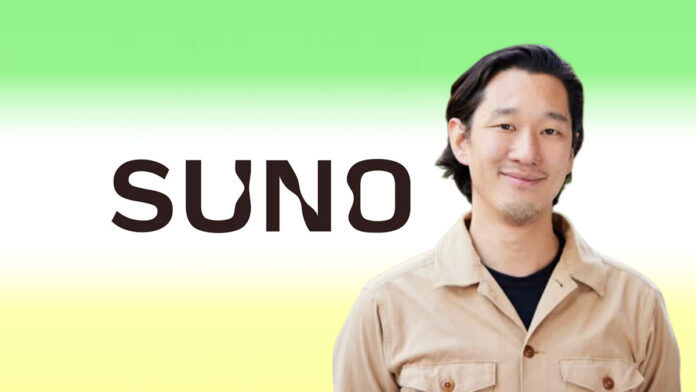
Suno —the AI tool half the industry has used for the past two years to turn a prompt into a song— just made a move almost nobody has stopped to analyze: Suno Live Experiences is now, literally, in the business of deciding who plays live. The company hired a Ticketmaster executive to run a brand-new live music division, with the stated goal of connecting its song-creation AI to real concert data from millions of fans.
If you work in the music industry —whether you're an artist, a DJ, a producer or a manager— this isn't just another AI headline. It's the first serious move by a music-creation AI into the part of the business that actually pays the bills: live shows. Here's what happened, what's behind it, and what to do about it now.
- Suno has created Suno Live Experiences, a live music division, and hired Michael Chua, formerly of Ticketmaster, as its VP and GM.
- That division includes Songkick, the concert-discovery platform Suno acquired from Warner Music Group in November 2025.
- The stated plan: cross Songkick's concert data with Suno's creative AI to improve live-show recommendations, with an initial focus on emerging artists.
- Suno already runs an incubator for independent artists, Spark, whose terms (mandatory exclusivity, a non-disparagement clause) have sparked controversy among artists and industry lawyers.
What exactly happened
The backstory starts in November 2025, when Suno acquired Songkick from Warner Music Group as part of the settlement that ended WMG's copyright lawsuit against the AI company. Songkick, the popular concert-discovery platform, moved to Suno along with all of its user data: artist preferences, location, and tour alerts.
Almost a year later, on October 8, 2026, Suno announced the next step: hiring Michael Chua, until then Vice President of Global Business Development and Strategic Partnerships at Ticketmaster, as Vice President and General Manager of Suno Live Experiences, the new division that covers Songkick and the company's entire push into live music.
The plan, as Suno itself has explained it, is to connect Songkick's concert-discovery platform with Suno's creative platform to improve the live-show recommendations fans get. And the initial focus, the company says explicitly, will be emerging artists, including those already in Spark, the incubator for unsigned independent musicians Suno launched on June 25, 2026.
Spark gives selected artists a grant, marketing funding, and the chance to collaborate at writing camps with established artists. But it's not all upside: several trade outlets have reviewed the program's fine print and found terms that worry managers and lawyers alike: mandatory use of Suno, broad promotional rights for the company, a temporary exclusivity clause, and a "Good Vibes Only" policy barring artists from publicly criticizing Suno.
How it works under the hood: from AI to the stage
The mechanism Suno wants to build, in its own words, is a bridge between creation and live performance. Here's how the company has described it:
In other words: Suno doesn't want to be just a song factory. It wants to be the full infrastructure that takes an artist from the first idea to the stage — and to control the data that decides which artist gets recommended to which fan, in which city.
What this means for every relevant role
For emerging and independent artists, Suno's pitch is tempting: another way to be discovered by fans who are actively looking for concerts near them, without relying only on Spotify's or TikTok's algorithm. But the Spark precedent teaches an important lesson: before handing over your promotional rights or your exclusivity to a single platform, read the whole contract, the same way you would with a label or a booker.
For DJs and producers, this matters for a different reason: if Songkick starts recommending live shows using creation signals from Suno, "who sounds like who" could become a booking signal, not just a streaming one. Keeping your catalog properly tagged and your artist profile updated stops being optional.
For managers and small labels, this is an early warning about where the business is heading: AI platforms are no longer satisfied with generating audio — they want in on the part that actually monetizes, live shows, and for that they need real fan data, not just play counts.
What you gain
- Another discovery channel for live shows, outside of Spotify or Instagram.
- Real funding and visibility if you get into programs like Spark.
- A sign that the industry is starting to treat live performance as data, not just touring.
What to watch
- Exclusivity or non-disparagement clauses in AI-backed incubator programs.
- Who actually "controls" your fan data if you use Songkick or similar apps.
- Relying on a single player for your live discovery, the way it already happened with streaming.
"Take a song from the first idea to the stage, and bring their fans along the whole way."
— Michael Chua, VP and GM of Suno Live Experiences, on the new division's goalAlong the same lines, Suno's Chief Music Officer, Paul Sinclair, summed it up this way: "We're building the first creative entertainment platform, and live music is a pivotal part of that."
The mistake almost everyone is about to make
The most common mistake will be reading this as "just another executive-hire story" and moving on. It isn't. This is the first time a music-creation AI has explicitly built out the final stretch of an artist's career: the live show. Anyone who thinks this only affects people who "use AI to make songs" is wrong: it affects anyone whose fans use Songkick to discover concerts, whether or not they ever touched an AI tool.
The second, costlier mistake is signing up for programs like Spark without reading the fine print, just because of the funding and visibility on offer. The help is real — but so are the exclusivity and non-disparagement clauses.
What to do now
- Claim and review your Songkick profile if you already had one: the data there may feed concert recommendations.
- Before joining Spark or any similar incubator, get the contract reviewed: exclusivity, promotional-rights assignment, and confidentiality clauses included.
- Update your EPK and your technical rider: if live bookings start moving on data, the clearer your profile, the better you get recommended.
- Don't rely on a single channel to land gigs: keep working the "classic" ways to book concerts too.
- If you use AI tools to create, understand exactly what happens to your data and rights; we cover this in detail when explaining how Suno is reshaping music with AI.
- Build a real audience strategy — not just streams — that you can defend against any platform that decides, tomorrow, how you get discovered.
At Worzero we've spent years helping independent artists, labels and managers build exactly that kind of real audience strategy — one that doesn't depend on a single algorithm, whether Spotify's, TikTok's, or now an AI that also wants to decide who gets on stage. The sooner you understand the new rules, the sooner you can play ahead of them instead of reacting late.
Suno Live Experiences is, for now, just an announcement and a plan. But it points in a clear direction: AI isn't just competing for your ears anymore. It wants a piece of your stage too.
Frequently asked questions
What is Suno Live Experiences?
It's Suno's new live music division. Suno is the AI music-creation company, and the division includes Songkick, the concert-discovery platform Suno acquired from Warner Music Group in November 2025. Since October 2026 it's led by Michael Chua, a former Ticketmaster vice president.
What is Songkick and why did Suno buy it?
Songkick is a concert-discovery platform that alerts fans when their favorite artists are playing nearby. Suno acquired it from Warner Music Group as part of the settlement that resolved the label's copyright lawsuit against the AI company.
Does this affect artists who don't use Suno to create music?
Potentially, yes. Suno's plan is to use Songkick's data (location, taste, and alert history) to improve concert recommendations in general, not only for artists created with its tool. If your fans use Songkick, your live visibility could be affected even if you never use AI to write music.
What is Suno's Spark program, and is it worth it?
Spark is Suno's incubator for unsigned independent artists, launched on June 25, 2026. It offers a grant, marketing funding, and the chance to collaborate at writing camps. In exchange, it includes terms that have sparked debate: mandatory use of Suno, broad assignment of promotional rights, a temporary exclusivity clause, and a policy against publicly criticizing the company. It can be worth it, but only if you carefully review the contract before signing.
What does a DJ gain from this?
If Songkick starts recommending live shows by cross-referencing creation and listening data, having a well-tagged catalog and an updated artist profile could become a booking signal, not just a streaming one. It's worth reviewing and keeping your profile on these platforms current.
What should managers and small labels watch out for?
Mainly who controls fan data (Suno is now the "controller" of Songkick's data) and what exclusivity clauses their artists sign when joining AI-backed incubator programs. It's also worth not relying on a single platform for concert discovery.
Does this mean AI will decide who gets to play live?
There's no public product yet that does that automatically — for now it's a strategic announcement and a stated plan. But it is the clearest signal so far that an AI music-creation platform wants to influence live-show discovery and recommendation too, not just songwriting.
Where can I follow how Suno Live Experiences develops?
For now, official information comes through Suno's own announcements and coverage from trade outlets like Music Business Worldwide, Music Week, and Billboard Pro. It's also worth checking your artist profile on Songkick, where changes will likely show up first.
Want your music to actually grow?
At Worzero we build your strategy, content and ads to turn streams into real fans. Flat monthly fee, no lock-in.
See 360° Strategy


What people are saying
Representative reactions to the announcement, from different industry roles:
The concert-discovery angle is interesting, but after reading about Spark's terms, I'm reading any contract twice before signing anything.
If this ends up affecting how I get recommended for gigs, I want to know exactly what data of mine is being used.
The non-disparagement clause in Spark is the part that worries me most as a manager. The funding sounds great, but you need to read the fine print.
Ticketmaster + AI + fan data is exactly the combination to watch closely over the next few months.
These are representative reactions to the debate the announcement has sparked, not verified reviews from real people or official Suno statements.